
Understanding Cataracts
A cataract occurs when the normally clear lens inside the eye becomes cloudy. Cataracts commonly develop gradually and can interfere with the way light reaches the retina.
ABOUT THIS GUIDE
How should you use this?
Gentle reminder
Learning about an eye condition can help you understand your symptoms and the questions you may want to ask your ophthalmologist. But online information cannot determine what is happening in your individual eyes.
This information is for education only and should not replace a consultation or comprehensive eye examination
If you are experiencing new, sudden, or worsening changes in your vision, an eye examination can help determine the cause and the appropriate care.
Cataracts
A cataract occurs when the eye’s natural lens becomes cloudy. Because the lens helps focus light onto the retina, clouding of the lens can gradually reduce the clarity of vision.
Cataracts commonly develop with age and usually progress gradually.
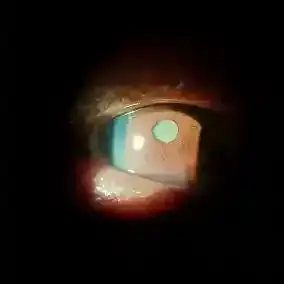
CATARACTS
What might i notice?
Blurred or hazy vision
Glare
Difficulty seeing at night
Faded or yellowed colors
Halos around lights
Double or ghosted vision in one eye
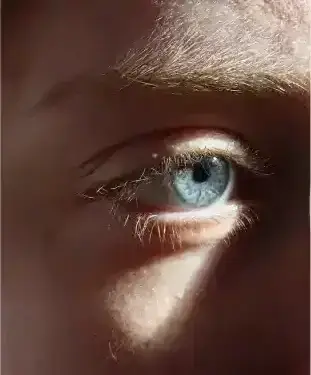
How Might This Feel in Everyday Life?
You may notice that your vision has become hazy or less crisp, even though the change happened so gradually that you barely noticed it.
Night driving may become more uncomfortable because of glare from headlights. You might find yourself turning up the lights when reading, changing your glasses prescription more often, or noticing that colors seem less vivid.
Sometimes people gradually adapt to these changes and assume their vision is simply part of getting older.
Causes & Risk Factors
Factors That May Play a Role
Increasing age
Smoking
Diabetes
Steroid use
UV exposure
Eye injury or surgery
Diagnosis
A comprehensive eye examination allows an ophthalmologist to examine the lens and determine whether a cataract is affecting vision.
Treatment
There is currently no medication that removes an existing cataract.
In the early stages, symptoms may sometimes be managed with:
Updated eyeglasses
Magnification for close work
Better lighting
Reducing glare
When to Seek Care
If you notice gradually worsening vision, increasing glare, difficulty seeing at night, or changes that interfere with reading, driving, work, or other daily activities, an eye examination can determine whether cataracts are contributing to your symptoms.
FAQs
Frequently asked questions
Do cataracts need to be removed immediately?
Not necessarily. Surgery is generally considered when the cataract is affecting your vision and daily activities enough that the benefits of surgery outweigh the risks.
Can glasses cure cataracts?
Glasses can improve vision in some people, particularly in earlier stages, but they do not remove the cataract.
Is cataract surgery the only definitive treatment?
Yes. Cataract surgery removes the cloudy natural lens and replaces it with an artificial lens called an intraocular lens (IOL)
Can cataracts come back after surgery?
The original cataract cannot come back because the natural lens has been removed. However, the membrane behind the artificial lens can sometimes become cloudy. This can be treated with a laser procedure called a YAG capsulotomy.
Still have questions?
Still have questions about your eyes or vision? Explore answers to common questions about retinal conditions, symptoms, diagnosis, and treatment, and gain a clearer understanding of your eye health.
Send us a message