
Understanding Age-Related Macular Degeneration
Age-related macular degeneration, or AMD, affects the macula, the central area of the retina responsible for detailed vision
ABOUT THIS GUIDE
How should you use this?
Gentle reminder
Learning about an eye condition can help you understand your symptoms and the questions you may want to ask your ophthalmologist. But online information cannot determine what is happening in your individual eyes.
This information is for education only and should not replace a consultation or comprehensive eye examination
If you are experiencing new, sudden, or worsening changes in your vision, an eye examination can help determine the cause and the appropriate care.
Age-Related Macular Degeneration
Age-related macular degeneration, or AMD, affects the macula, the central part of the retina responsible for detailed vision.
AMD can occur in different forms. Dry AMD is more common and involves changes such as drusen and gradual loss of retinal tissue. Wet or neovascular AMD occurs when abnormal blood vessels develop and leak fluid or blood beneath or within the retina.
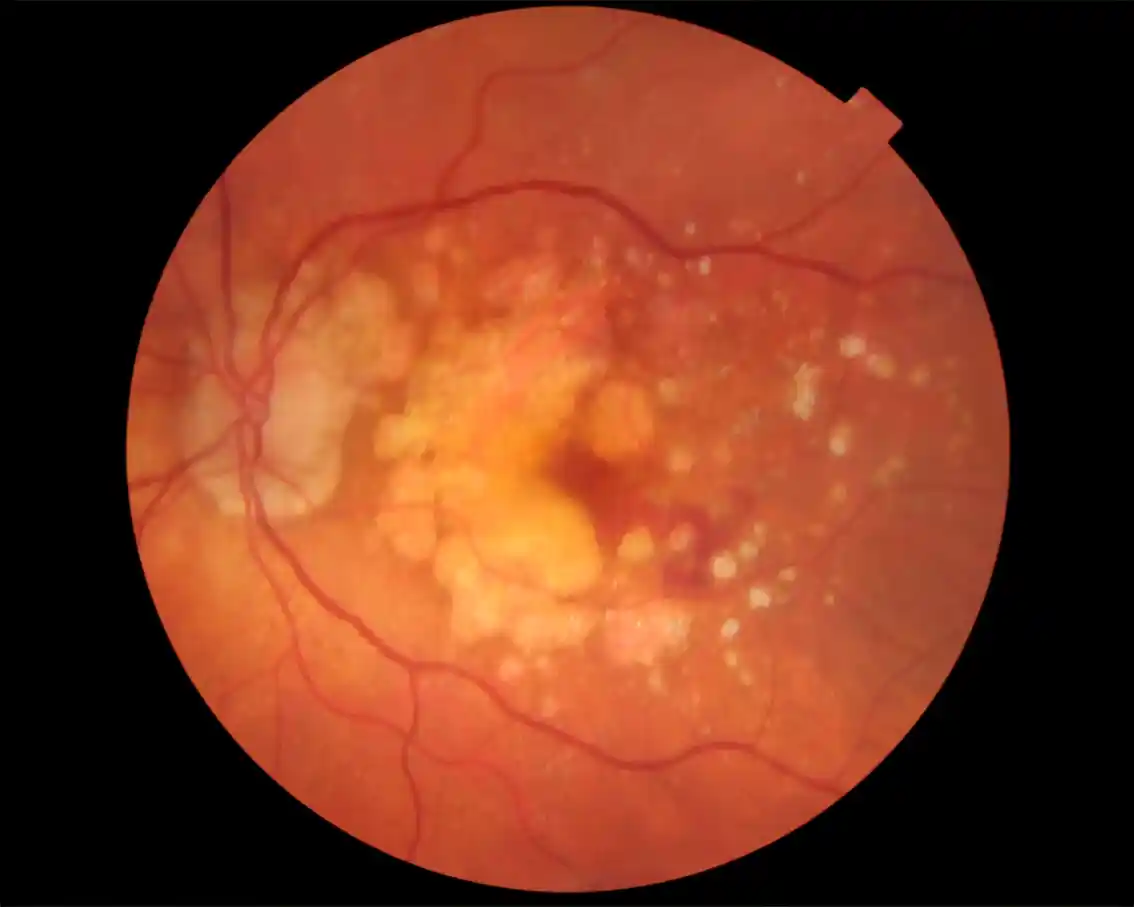
Age-Related Macular Degeneration Symptom
What might I notice?
Blurred central vision
Distorted vision
Difficulty reading
Difficulty recognizing faces
Difficulty seeing in low light
Floaters
*Sometimes, no noticeable symptoms
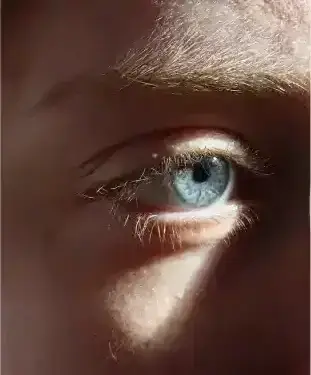
How Might This Feel in Everyday Life?
You might find yourself holding a book farther away, increasing the text size on your phone, or needing brighter light to read.
Faces may become harder to recognize, or straight lines may begin to look bent or wavy.
Sometimes the changes are subtle enough that you simply feel your vision is “not quite as clear as it used to be.”
Diagnosis
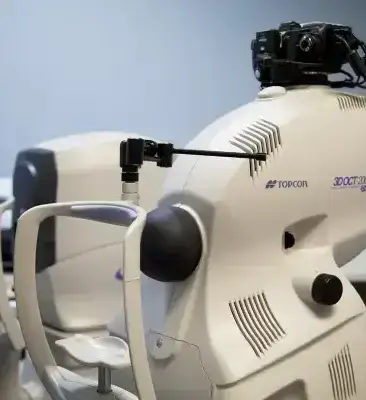
Diagnosis involves a dilated retinal examination and often OCT imaging. Additional imaging, including fluorescein angiography or other retinal imaging, may be used when needed to determine whether abnormal blood vessels are present.
Causes & Risk Factors
Factors That May Play a Role
Increasing age
High cholesterol
Family history
Cardiovascular disease
Smoking
Being overweight
High blood pressure
Diet high in saturated fat
Treatment
Treatment focuses on managing complications rather than reversing the original vein blockage.
If retinal vein occlusion causes macular edema, treatment may include:
Dry AMD
Geographic atrophy
Wet AMD
Photodynamic therapy (PDT)
When to Seek Care
New distortion, a sudden change in central vision, or a new dark or blurry area should be evaluated promptly.
Regular eye examinations are also important because AMD can progress before significant symptoms become noticeable.
FAQs
Frequently asked questions
Does AMD cause blindness?
AMD primarily affects central vision. Advanced disease can cause significant central visual impairment, although peripheral vision is generally preserved.
Is dry AMD the same as wet AMD?
No. They are different forms of AMD. Wet AMD involves abnormal blood vessels and leakage and can cause more rapid vision changes.
Do eye injections cure wet AMD?
Anti-VEGF injections can control abnormal blood vessel growth and leakage, but treatment usually requires ongoing monitoring and may require repeated injections.
Can AMD be prevented?
Not all cases can be prevented, but addressing modifiable risk factors, particularly smoking, and maintaining regular eye examinations can help with risk management and early detection.
Still have questions?
Still have questions about your eyes or vision? Explore answers to common questions about retinal conditions, symptoms, diagnosis, and treatment, and gain a clearer understanding of your eye health.
Send us a message